Maybe "slant" (see the headline above) is too strong a term. In
AUGUSTINE, the quiet, thoughtful and surprisingly masterful first-full-length film from
Alice Winocour (who was a co-writer on
Ursula Meier's
Home), we observe the relationship between the famous 19th century doctor,
Jean-Martin Charcot, and his star patient, the titular Augustine, a girl in her late teens working as a kitchen maid who suffers from seizures and is taken to the hospital where Charcot is in charge. For me, this movie seemed a hugely feminist piece of art, though it never raises its voice or even speaks its theme aloud. Instead it simply shows us the state of women in the mid-1800s, particularly those in the lower class. And how, in every way, the male rules the roost, whether that roost be at work, play or in the domicile.
Ms Winocour, shown at right, captures the time, place and people with remarkable veracity and ease. She creates a generally dark piece, especially in terms of theme, and then executes this via the script (in which words are used sparingly yet count for much) and in the circumspect digital cinematography (by
George Lechaptois), muted music (
Jocelyn Pook) and beautiful, rich and oddly bleak art direction and production design (
Arnoud de Moleron). Everything works toward the idea of repression, expected and carried out. Women were, in every way, available for the amusement, use, entertainment and experimentation of and by men. Nowhere in the film itself does Winocour tell us that her film is based on a real incident (in fact, on an entire slew of them). We grasp this, even so.
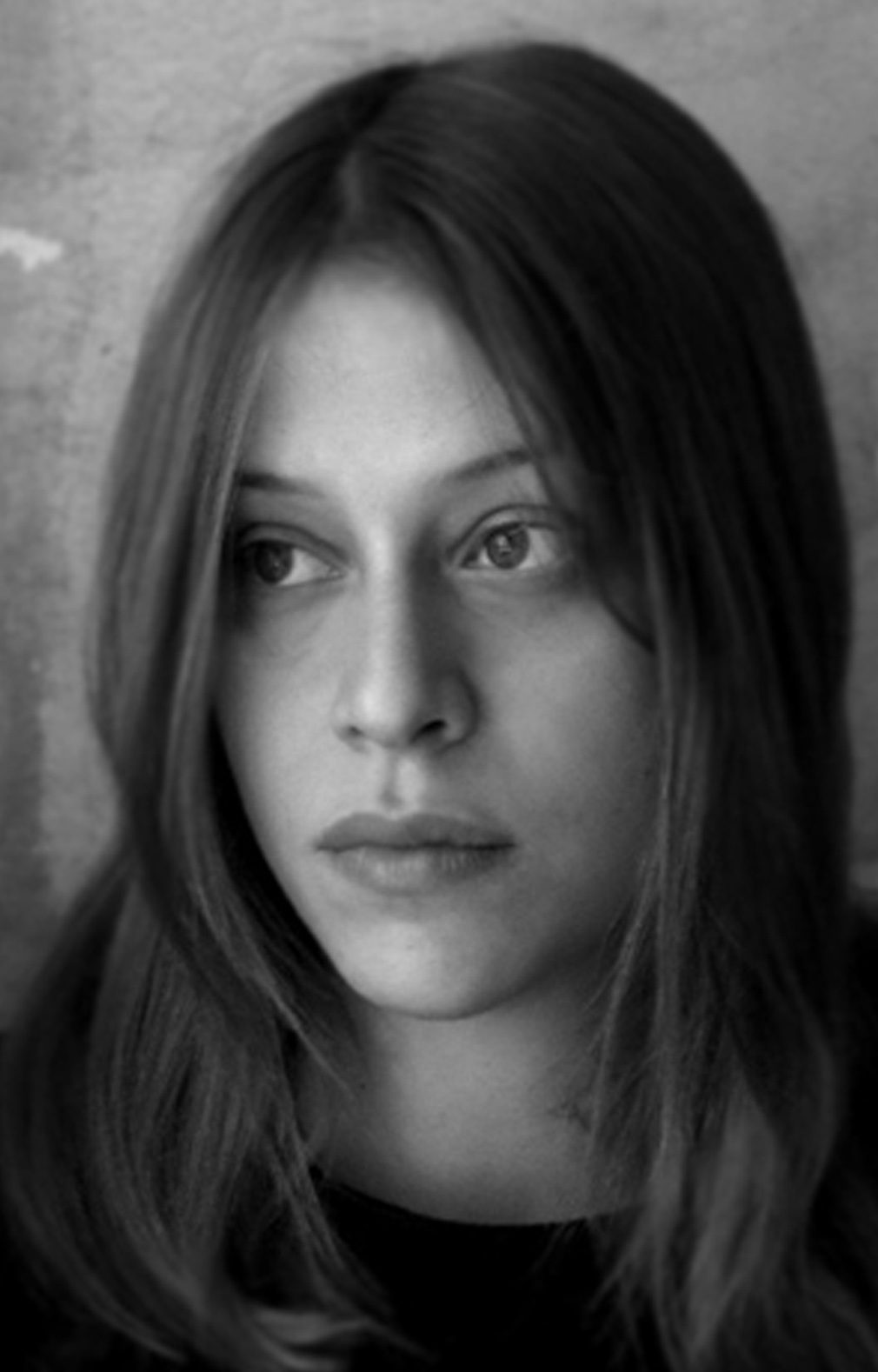
The filmmkaer has wisely chosen her three leading players with an eye for ability, class and in the case of the woman who plays Augustine, surprise. In this role, the singer/actress
Soko (above, seen previously by me only in
A l'origine) proves a wonderful choice. She has qualities both feral and elegant, intelligent and enormously sensual. Augustine appears initially needy, but uses every opportunity to learn and grow. She wins us over completely and does this by not trying. She never asks for sympathy and hence gets it in spades.
As Dr. Charcot, one of France's leading actors,
Vincent Lindon (shown above and below, left), proves an inspired choice (though not, it is said, the
first choice; that would have been Belgian actor
Benoît Poelvoorde). Lindon does "interiority" and repression about as well as anyone, and he uses that ability here to help us understand this doctor's sense of entitlement, along with his slow coming-to-terms with his buried feelings.
Chiara Mastroianni uses her strength and her own quite special ability to indicate interior hurt to create the doctor's sadly misused wife. This woman comes from money and class and gives her husband the career connections he so needs. (Ms Mastroianni also looks sensational in mid-1800's garb.)
Augustine is open-ended, beginning
in media res (ending there, too), with not everything explained or underlined along the way. Yet all you need to know -- and feel -- is here. This is a very fine first feature.
From
Music Box Films and running 102 minutes, the movie opens this Friday in Manhattan at the
Elinor Bunin Munroe Film Center and
Film Forum, and in Los Angeles at Laemmle's
Royal,
Town Center 5 and
Playhouse 7.